A project on the state of our planet
The Quiet
Emergency
Nature is not a resource. It is our only home.
Yet every day, we push it closer to the edge.
A project on the state of our planet
Nature is not a resource. It is our only home.
Yet every day, we push it closer to the edge.
"The Earth does not belong to us. We belong to the Earth." — Chief Seattle
The threats facing our natural world are interconnected, compounding, and accelerating. Here are the five most devastating forces at work.
10 million
hectares lost per year
Forests are the lungs of our planet. Every year, an area the size of Iceland is cleared — for agriculture, logging, and development. This destroys habitats, releases stored carbon, and disrupts water cycles.
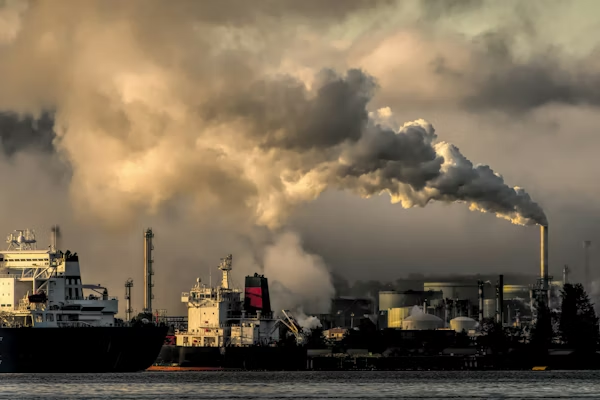
1.2°C
warming since pre-industrial era
Rising temperatures reshape ecosystems. Glaciers melt, sea levels rise, and weather extremes intensify. Species that cannot adapt or migrate face extinction. We are running out of time to stay below 1.5°C.
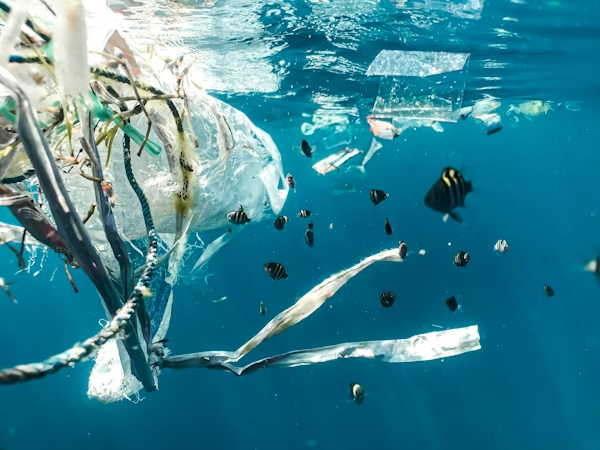
8 million
tons of plastic enter oceans yearly
From chemical runoff in rivers to microplastics in the deepest ocean trenches, pollution poisons every layer of the natural world. Air pollution alone kills 7 million people annually and devastates wildlife.
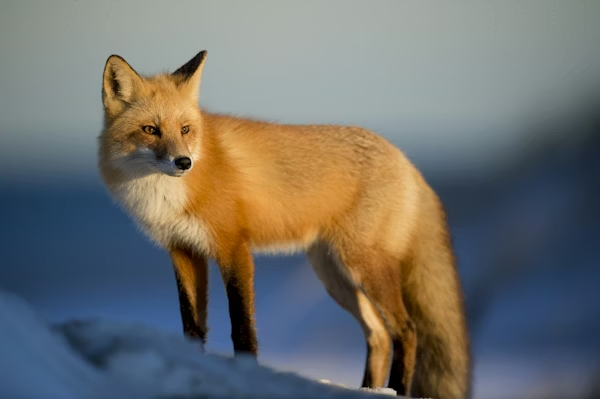
1 million
species at risk of extinction
Overfishing empties oceans. Poaching decimates wildlife. Unsustainable mining scars landscapes. We take from nature faster than it can regenerate, pushing entire ecosystems toward collapse.

75%
of land surface altered by humans
As cities expand and farmland spreads, natural habitats shrink into isolated fragments. Wildlife corridors are severed. Migratory routes are blocked. Ecosystems that evolved over millennia are dismantled in decades.
"In the end, we will conserve only what we love.
We will love only what we understand."
decline in wildlife populations since 1970
of coral reefs already lost
of original forests destroyed
species going extinct every day
"We don't inherit the Earth from our ancestors.
We borrow it from our children." — Native American Proverb
The solutions exist. What we need is the will. Here are the most effective ways to defend and restore the natural world.
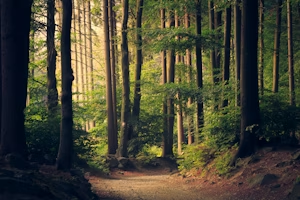
Protect remaining forests as carbon sinks and biodiversity havens. Support reforestation programs. Boycott products linked to illegal logging. Forests absorb 2.6 billion tons of CO₂ each year — they are our greatest allies.
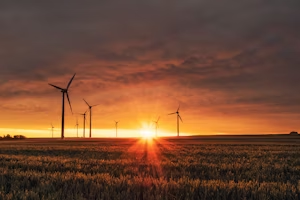
Replace fossil fuels with renewables. Solar and wind are now the cheapest energy sources in most of the world. Every kilowatt of clean energy is a blow against climate change and the habitat destruction caused by extraction.

Cut consumption. Move to circular economies where waste becomes input. Ban single-use plastics. Compost. Repair. The less we take, the more nature keeps.

Currently only 15% of land and 7% of oceans are protected. Scientists say we need at least 30% by 2030. Support conservation organizations and policies that create marine sanctuaries and wildlife reserves.

Knowledge spreads faster than destruction. Talk about these issues. Vote for leaders who prioritize the environment. Support environmental journalism. Every voice raised adds pressure for systemic change.

Indigenous peoples protect 80% of the world's remaining biodiversity while occupying just 25% of the land. Supporting their land rights and traditional knowledge is one of the most effective conservation strategies.

Native plants support local ecosystems, need less water, and provide food for pollinators. Even a small garden makes a difference.

Choose products with eco-certifications. Buy local. Reduce meat consumption — livestock farming drives 80% of deforestation.
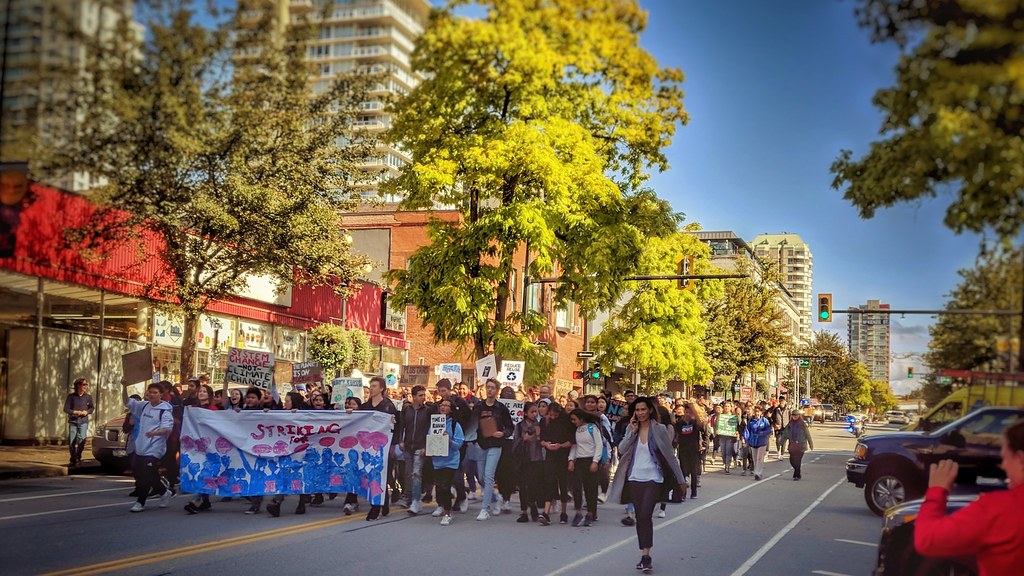
Sign petitions. Contact representatives. Join climate marches. Collective action has always been the engine of change.
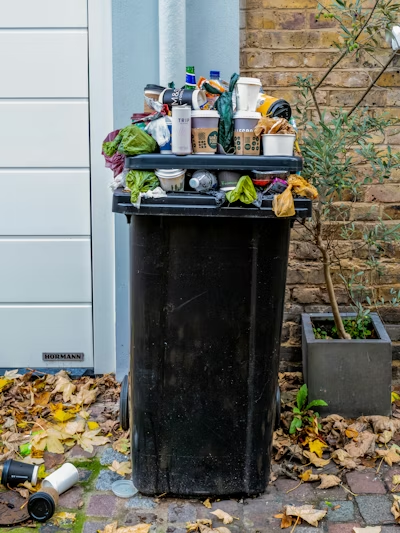
Carry reusable bags, bottles, and containers. Compress your waste footprint. Refuse what you don't need.
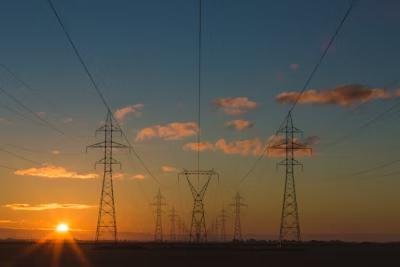
Switch to LED bulbs. Insulate your home. Unplug devices. Small savings compound across millions of households.

Follow reliable environmental sources. Share what you learn. Awareness is the first step toward transformation.